Why the Past Affects the Present, and What EMDR Does About It
"Those people in therapy just want to blame their parents."
"Stop complaining about your childhood and move on."
"It's in the past."
"It is what it is."
Maybe those first two statements are a little outlandish, but I bet you've said those last two a few times.
Why do we talk about childhood in therapy? Especially in EMDR?
Finding the Thread and Following it to its Origin
In EMDR therapy, we find the origin story of the negative thoughts, beliefs, feelings, moods, and maladaptive behaviors a person is suffering from. Once we find the origin, we can reprocess the experience, using bilateral stimulation to quiet how upsetting and overwhelming this event feels. Through this process, we can access what the adult brain understands about the situation, rather than relying on the young child's panicked interpretation.
How Trauma is Stored
Every night when we go to sleep, we enter a phase called REM: Rapid Eye Movement. During REM, we process everything that happened that day. Imagine the brain receives a file of the day's events, reads through it, integrates the helpful information, and discards the rest.
The phrase "sleep on it" references this process. When we sleep on something, we digest the information, let go of small worries and complications, and wake up with greater clarity.
But what happens if the brain gets stuck? What happens if your brain is handed a file, and every time you try processing it, it is just overwhelming that the brain short-circuits? This is what happens with trauma.
Imagine you are an 8-year-old boy
You are in 3rd grade, your teacher asks a question and you raise your hand. You answer the question. Now, it wasn’t the right answer, but it's a sweet answer coming from an 8-year-old, so the teacher giggles, and because the teacher laughed, the whole class laughs. In that moment, you feel your face go red with embarrassment and want to crawl under the table.
Now imagine that, for whatever reason, this boy does not have an adult to talk about his day with. Maybe his loving parents are out, and a young babysitter puts him to bed. Maybe the parents are home but preoccupied. The boy goes to sleep. When his brain receives the file of the day, it starts processing it, but as it reaches the moment when he hears his peers laugh and notices his red face and the hot sensation of embarrassment in his body, the brain stops. TOO MUCH! STOP! and it stops. And it tries again, and again, again. Morning is coming. The brain doesn't know what to discard or what to keep.
So the brain just freezes the memory in its fragmented version, with these overwhelming sensations and negative thoughts.
This becomes the first page in the sore spot file titled “I am stupid,” resulting in the maladaptive protective mechanism of making oneself smaller and, consequently, feeling socially anxious.
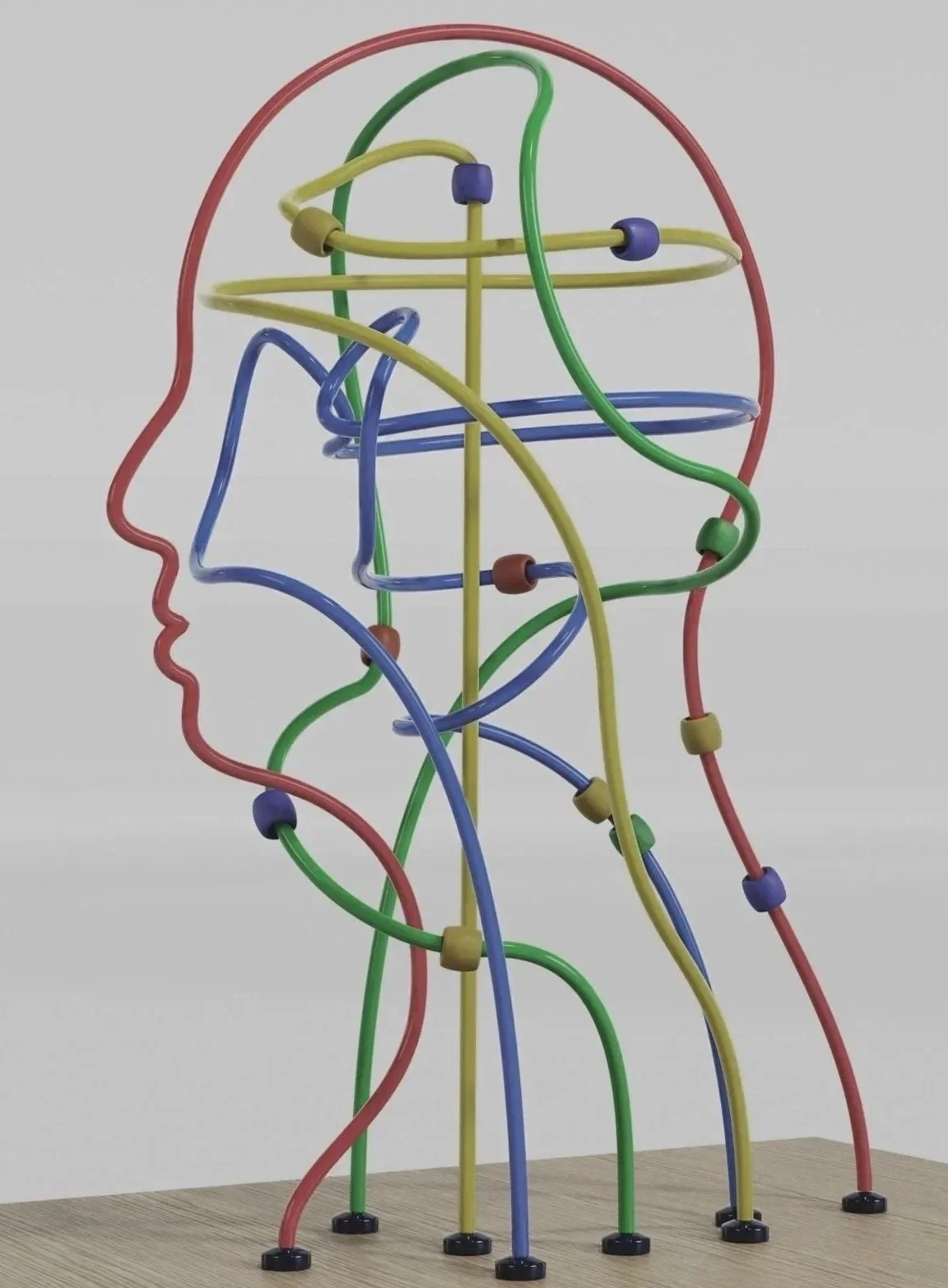
The EMDR Task
That 8-year-old boy is now 44 years old. He is the CEO of a company. Every time he presents to his team, he is flooded with anxiety. He can't sleep the night before, and during the presentation itself, he feels sweaty and shaky.
In a session of Eye Movement Desensitization and Reprocessing (EMDR) therapy, this CEO will locate the memory behind his seemingly inexplicable loss of confidence. He will work through the overwhelming shame, desensitize the memory until it feels neutral, and then find his way to adaptive thoughts.
Instead of "I am stupid, I should never share my thoughts," he arrives at "I didn't do anything wrong. I can trust myself." As he moves through the eight-phase protocol, reinforcing this positive belief and helping his body catch up to what his mind already knows, the 44-year-old CEO can finally set down the shame he has been carrying.
A shame frozen in a single childhood moment, retriggered every time he attempted to take up space and share his thoughts.
Trauma and EMDR in Summary
Trauma happens when we experience something we feel we cannot handle. Those moments shape how we see ourselves and our world, which in turn influence our present-day thoughts, feelings, and actions. EMDR breaks those moments down, helps us digest and process them, and recover what is adaptive, so that they no longer hold a fragmented grip on our present.
